A Comprehensive Overview to the Numerous Kinds of Oil Field Equipment and Pipeline Equipment Available
The oil and gas industry counts greatly on specialized equipment for efficient removal and transport. Numerous types of equipment, from drilling rigs to storage space tanks, play important duties in this intricate process. Each piece of devices serves distinct features that add to total operational success. Comprehending these elements is necessary for any person entailed in the field. As the market advances, so too do the innovations that support it. What improvements are on the horizon?

Drilling Rigs: The Backbone of Oil Exploration
Drilling rigs work as the vital equipment in the domain of oil exploration, enabling companies to gain access to hydrocarbon books hidden deep below the Planet's surface area. These rigs come in various kinds, including land rigs, offshore rigs, and mobile systems, each designed to run in particular environments. Geared up with sophisticated modern technology, piercing rigs can penetrate geological developments with accuracy, making sure effective resource removal. The architectural honesty and operational capacities of these rigs are essential, as they need to stand up to extreme conditions and considerable stress. The selection of a boring gear influences the general job cost and timeline, making it an essential consideration for oil companies looking for to enhance their expedition efforts and maximize performance in their operations.
Pumps: Crucial for Fluid Activity
In the oil removal procedure, the function of pumps is substantial, assisting in the motion of liquids throughout various phases of production. Pumps are important for transporting petroleum, water, and various other fluids from below ground tanks to the surface and then through pipelines to refineries. They are available in different types, consisting of centrifugal, favorable displacement, and submersible pumps, each offering certain objectives based upon the liquid attributes and functional demands. Centrifugal pumps are frequently utilized for their performance in high-flow applications, while favorable displacement pumps master dealing with thick fluids. The option of pump effects general effectiveness, operational security, and upkeep prices. Appropriate option and maintenance of pumps are crucial for enhancing production and minimizing downtime in oil field operations.
Valves: Controlling Circulation and Pressure

Shutoffs play an essential function in handling the flow and pressure of liquids within oil areas and pipelines. Numerous kinds of shutoffs serve unique applications, each created to fulfill specific features essential for effective operation - Superior Rentals reviews. Understanding the features and uses these shutoffs is vital for maximizing system efficiency and safety and security
Sorts of Valves
Crucial elements in oil area procedures, valves play a critical duty in managing the circulation and pressure of fluids within pipelines and equipment. Different kinds of shutoffs are made use of to meet the varied needs of oil and gas manufacturing. Typical kinds consist of entrance valves, which give a straight-line flow and very little pressure drop; world valves, recognized for their strangling abilities; and round shutoffs, identified for their fast on/off control. In addition, check shutoffs protect against heartburn, while butterfly valves supply a lightweight remedy for regulating flow. Each valve type is designed with details products and configurations to hold up against the severe conditions often discovered in oil fields, guaranteeing reliability and efficiency in procedures. Recognizing these types is crucial for effective system administration.
Valve Applications and Features
While different kinds of valves serve distinctive functions, their primary applications revolve around controlling flow and stress within oil and gas systems. Valves such as gateway, globe, and round valves manage fluid motion, guaranteeing peak performance and safety. Gate shutoffs are frequently utilized for on/off control, offering marginal circulation resistance. Globe shutoffs, on the various other hand, deal precise flow guideline, making them appropriate for strangling applications. Sphere valves are favored for their fast procedure and limited sealing capabilities. Furthermore, pressure alleviation shutoffs are critical for avoiding system overpressure, protecting equipment integrity. On the whole, the suitable selection and application of shutoffs boost functional effectiveness, making certain the trusted transport of oil and gas through pipelines and handling centers.
Compressors: Enhancing Gas Transport
Compressors play a critical function in the effective transportation of all-natural gas, making certain that it relocates efficiently with pipelines over cross countries. These devices boost the pressure of natural gas, allowing it to get rid of friction and altitude adjustments within the pipeline system. Additionally, compressors help with the balancing of supply and demand, accommodating fluctuations in intake and production rates. Numerous kinds of compressors are utilized in the sector, consisting of centrifugal, reciprocating, and rotating screw compressors, each offering unique advantages based on the licensed plumber for gas line operational needs. Regular maintenance of these compressors is necessary to make best use of efficiency and decrease downtime, eventually adding to a reputable gas transport network. Their crucial feature emphasizes the value of compressors in the total oil and gas facilities.
Storage Tanks: Safe and Reliable Fluid Management
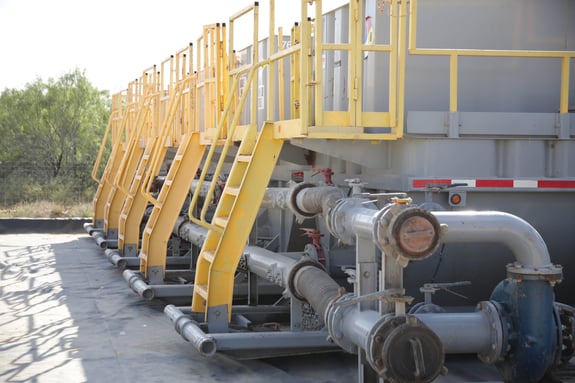
Reliable transport of gas depends on various supporting systems, among which is the appropriate monitoring of storage space containers. These tanks play a vital function in securely consisting of liquids, ensuring that functional performance is maintained while minimizing ecological threats. Constructed from long lasting materials, they are made to stand up to high pressures and corrosive aspects. Correctly sized and strategically situated, storage space containers help with the smooth flow of gas and various other fluids, preventing bottlenecks in supply chains. Regular upkeep and tracking are imperative to discover leakages or architectural concerns, promoting security and compliance with governing criteria. Eventually, the effective administration of tank is essential for the total honesty and reliability of the oil and gas industry's fluid handling systems.
Pipeline Solutions: Framework for Transport
Pipeline systems work as the backbone of the oil and gas market, facilitating the efficient transportation of hydrocarbons over huge distances. These systems contain various components, including pipelines, valves, pumps, and compressors, all thoroughly developed to assure seamless flow. The products utilized in pipeline construction, often steel or high-density polyethylene, are selected for resilience and resistance to corrosion. Pipeline networks can span throughout land and water, attaching production websites to refineries and circulation facilities. Furthermore, advanced technology allows real-time monitoring of flow rates and stress levels, unclog main sewer line boosting functional effectiveness. The critical placement of these pipelines decreases ecological effect while making best use of resource accessibility, thus playing an essential duty in conference power demands around the world.
Security Equipment: Guaranteeing Worker and Environmental Defense
The procedure of pipeline systems, while important for energy transport, likewise presents significant security obstacles for workers and the atmosphere. Safety equipment plays a considerable role in mitigating these risks. Individual protective equipment (PPE) such as helmets, gloves, and non-slip shoes safeguards employees from physical threats. Furthermore, gas detection systems keep an eye on for leakages, guaranteeing that harmful materials do not pose a threat to employees or the surrounding ecological community. Emergency situation shutdown systems are essential for promptly stopping operations during a situation, stopping potential calamities. Spill containment materials, including absorbents and obstacles, are essential for lessening environmental impact. In general, investing in all-inclusive safety tools is important for maintaining operational honesty and protecting both employees and the setting discover here in the oil and gas field.

Frequently Asked Questions
Just how Do I Choose the Right Oil Field Equipment for My Job?
Choosing the appropriate oil field devices entails examining task specs, spending plan restraints, and functional demands. Take into consideration elements such as equipment reliability, compatibility with existing systems, and the distributor's reputation to guarantee peak performance and security.
What Are the Upkeep Needs for Oil Field Equipment?
Upkeep needs for oil field tools include normal inspections, lubrication, and prompt fixings. Operators must also follow maker standards, monitor efficiency metrics, and assurance compliance with security guidelines to enhance durability and efficiency.
How Can I Make Sure Compliance With Environmental Laws?
To ensure compliance with ecological policies, firms need to carry out regular audits, implement best techniques, purchase training, keep appropriate documentation, and stay upgraded on regulation (Superior Oilfield Rentals Texas). Collaboration with ecological companies can likewise improve adherence to guidelines
What Is the Typical Life Expectancy of Pipeline Equipment?
The ordinary lifespan of pipeline devices generally varies from 20 to half a century, depending upon elements such as material high quality, ecological problems, and upkeep techniques. Regular examinations can substantially influence long life and functional effectiveness.
Just how Do I Securely Move Oil Field Equipment to Remote Locations?
Moving oil field tools to remote locations needs careful preparation, consisting of path evaluation, safeguarding authorizations, using proper lorries, and guaranteeing safety and security procedures are complied with. Appropriate training and interaction amongst crews are crucial for effective transport.